
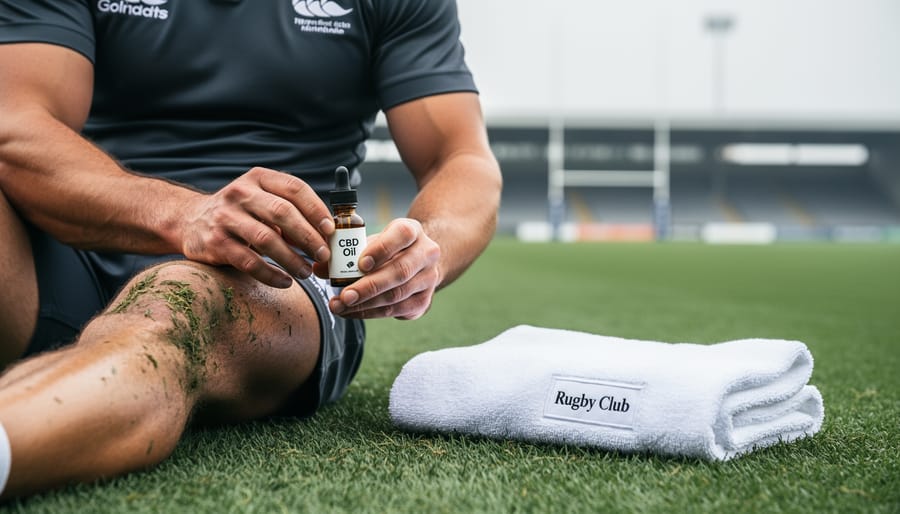
CBD, or cannabidiol, is a non-intoxicating compound derived from cannabis plants that professional athletes in contact sports, including the NFL, increasingly use for pain management and recovery. Unlike THC, CBD doesn’t produce a high, making it an attractive option for players seeking relief from the physical toll of their sport without impairment.
The conversation around CBD and the NFL has shifted dramatically in recent years. In 2020, the league removed CBD from its banned substance list and began funding research into its potential benefits for player health. This policy change sent ripples through contact sports worldwide, raising questions about whether rugby should follow suit. For players in rugby in Quebec and beyond, the NFL’s experience offers valuable lessons about how CBD might fit into recovery protocols, what the science actually shows, and how governing bodies are navigating the regulatory landscape.
This article examines what CBD is and how it works in the body, explores the practical applications that make it appealing to contact-sport athletes, and explains where rugby stands on CBD use today. Whether you’re a player considering CBD for post-match recovery or a coach looking to understand what your athletes might be using, understanding the intersection of professional sports and cannabidiol has never been more relevant.
What CBD Is and Why Rugby Players Are Turning to It
CBD, short for cannabidiol, is one of over a hundred naturally occurring compounds found in cannabis and hemp plants. Unlike its better-known cousin THC, CBD won’t get you high. It doesn’t produce the psychoactive effects associated with marijuana use, which makes it an attractive option for athletes who need clear heads and clean drug tests.
The distinction between CBD and THC matters immensely for rugby players. THC is the compound responsible for the “high” feeling and remains banned by most sports organizations. CBD, on the other hand, interacts with your body differently, working with your endocannabinoid system to potentially influence pain, inflammation, and recovery without altering your mental state.
- CBD (Cannabidiol)
- A non-psychoactive compound extracted from cannabis or hemp plants, believed to support recovery and reduce inflammation without producing a “high.” Legal in many jurisdictions when derived from hemp with minimal THC content.
- THC (Tetrahydrocannabinol)
- The psychoactive compound in cannabis responsible for intoxication effects. Remains banned by most sports organizations and can impair performance and judgment.
- Endocannabinoid System
- A network of receptors throughout the human body that regulates pain, mood, sleep, and immune response. CBD interacts with this system to potentially influence recovery and wellness.
- Isolate vs. Full-Spectrum CBD
- CBD isolate contains only pure cannabidiol, while full-spectrum includes other beneficial plant compounds but may contain trace THC. Athletes often choose isolate to avoid any risk of testing positive.
Rugby players face brutal physical demands. The repeated impacts, muscle tears, joint stress, and bone-deep exhaustion that come with scrums and tackles leave bodies crying out for effective recovery tools. Traditional options like over-the-counter painkillers or prescription opioids carry risks, stomach issues, dependency, cognitive fog, that don’t fit an athlete’s lifestyle.
That’s where CBD enters the conversation. The NFL’s decision to remove CBD from its banned substances list in 2020 sent ripples through contact sports worldwide. When one of the most physically punishing professional leagues acknowledged CBD’s potential role in player wellness, rugby communities took notice. Players began asking questions, experimenting with products, and sharing their experiences with teammates.
The appeal is straightforward: a natural compound that might ease the constant ache, support better sleep after a hard match, and help bodies bounce back faster, all without the side effects or stigma of stronger medications.
How CBD Works in the Body of a Rugby Player
CBD’s potential benefits for rugby players start with the endocannabinoid system (ECS), a network of receptors and signaling molecules that helps regulate pain, inflammation, mood, and sleep. When you take CBD, it doesn’t bind directly to the ECS’s main receptors like THC does. Instead, it appears to work indirectly, encouraging the body to use more of its own endocannabinoids, interacting with serotonin and vanilloid receptors, and modulating inflammatory pathways. For a rugby player coming off the field after a bruising match, that could translate to less perceived pain, faster resolution of swelling in joints and soft tissue, and a calmer nervous system primed for recovery.
Rugby demands are relentless. Tackles, rucks, and scrums generate forces that leave muscles torn at the microscopic level, joints strained, and the central nervous system on high alert. The inflammation that follows is a natural repair response, but when it’s chronic or excessive, it slows healing and keeps players sore longer. CBD’s anti-inflammatory properties, observed in preclinical studies and discussed widely among contact-sport athletes, may help dial down that response without the gastrointestinal risks of NSAIDs or the dependency concerns of opioids.
Several NFL players have shared anecdotal accounts of using CBD to manage the lingering aches and sleep disruption that come with weekly collisions. While rugby’s calendar and intensity differ, the physical toll is comparable. Better sleep, which CBD may promote by reducing anxiety and pain that keep players awake, becomes a performance factor: recovery hormones peak during deep sleep, and cognitive sharpness, essential for reading the game and avoiding injuries like those linked to CTE and safety concerns, depends on rest quality. Early research supports these pathways, though large-scale clinical trials specific to athletes are still emerging. What’s clear is that CBD offers a mechanism worth understanding for players seeking non-pharmaceutical support.
Different Forms of CBD Used by Athletes
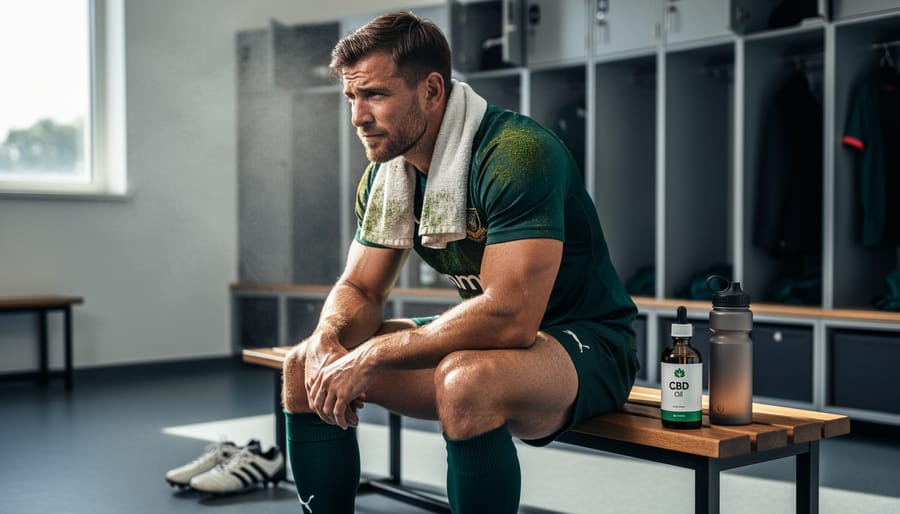
Rugby players exploring CBD have a wide range of product formats to choose from, each designed for different recovery needs and lifestyles. The right form often depends on what you’re treating, localized muscle soreness, overall inflammation, sleep disruption, or pre-match nerves, and how quickly you need relief. Contact-sport athletes, including many in the NFL, have gravitated toward certain formats based on practicality and effectiveness in their routines.
Oils and tinctures remain the most popular choice among rugby players. These liquid extracts, typically taken sublingually (under the tongue), allow for precise dosing and relatively fast absorption, usually within 15 to 45 minutes. Players appreciate the flexibility: you can adjust your dose drop by drop, and the effects tend to last several hours. The downside is the earthy taste some products carry, though flavored versions are common. Oils fit easily into a post-match recovery routine or before bed to support sleep.
Topical creams and balms are favored for targeted relief. Rubbed directly onto sore shoulders, bruised thighs, or strained calves, topicals work locally without entering the bloodstream significantly. Many rugby players keep a balm in their kit bag for immediate post-training application. The trade-off is limited systemic effect, topicals won’t help with anxiety or sleep, but they excel at soothing specific trouble spots after a hard tackle or scrum session.
Capsules and softgels offer the easiest, most discreet option. Swallow one with water, and you’re done, no measuring, no taste. Absorption is slower (30 minutes to two hours) because the CBD passes through the digestive system, but the effects last longer. Capsules suit players who want consistent daily dosing without fuss, though they lack the dosing precision of oils.
Ediblesgummies, energy bars, drinks, appeal to athletes looking for a familiar, enjoyable format. Like capsules, they’re slow to kick in and pass through digestion first. They’re convenient for travel or recovery snacks, but dosing can be less predictable, and some products contain added sugars that athletes may prefer to avoid.
Vape products deliver the fastest onset, often within minutes, but they’re the least popular among rugby communities. Inhaling anything raises concerns about lung health, particularly for endurance athletes, and vaping carries its own risks and stigma. Most contact-sport athletes skip this method in favor of oils or topicals.
Here’s a quick guide to matching product types with common rugby recovery needs:
- Topical creams and balms: best for localized pain, bruising, and muscle soreness after contact
- Oils and tinctures: ideal for systemic relief, sleep support, and flexible dosing
- Capsules: suited for consistent daily routines and players who want no-fuss dosing
- Edibles: convenient for on-the-go recovery, though slower-acting and less precise
- Vapes: fastest relief but generally avoided due to lung health concerns
Community feedback from rugby players and NFL athletes suggests that most maintain a combination approach: a topical for immediate soreness, an oil or capsule for overall recovery and sleep. The key is finding what fits your schedule, your recovery goals, and your comfort level with each method.
How Rugby Players Are Using CBD: Recovery, Pain, and Performance
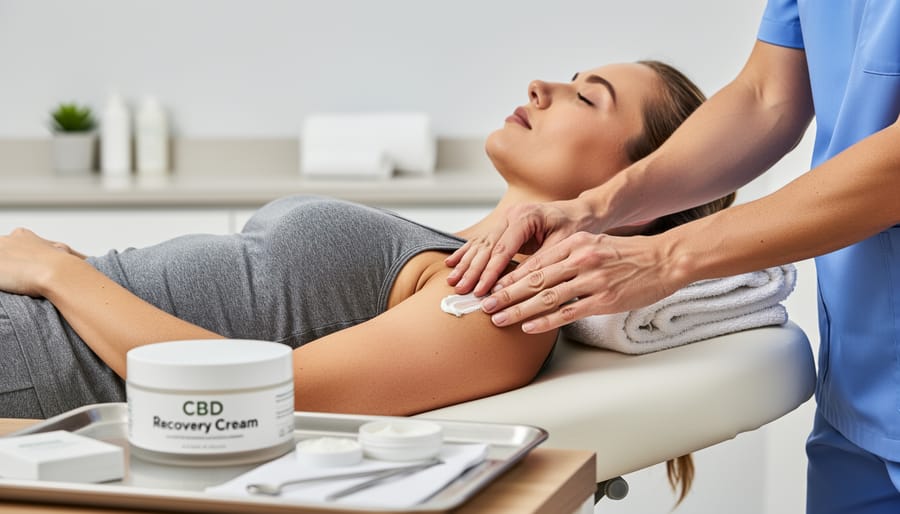
Rugby players face a unique physical toll. A typical match involves dozens of high-impact tackles, rucks, and scrums that leave muscles battered and joints aching. In the hours and days after stepping off the pitch, many athletes are turning to CBD as part of their recovery toolkit, following a pattern seen among NFL players who’ve spoken openly about managing the brutal aftermath of contact sports.
The most common application is post-match muscle recovery. After a Saturday afternoon game in Quebec, players often deal with delayed-onset muscle soreness that peaks 24 to 48 hours later. CBD oils or topical balms applied to sore shoulders, lower backs, and thighs may help reduce the inflammation driving that discomfort. Some forwards, who absorb the heaviest hits in scrums and mauls, report using CBD tinctures before bed on game nights to ease the deep ache in their necks and backs.
Injury management represents another practical use. A prop recovering from a shoulder strain or a winger nursing a nagging ankle issue might incorporate CBD into their rehab routine alongside physiotherapy and ice baths. The goal isn’t to mask pain and return prematurely, but to manage chronic discomfort from old injuries that never fully disappear in a contact sport.
Sleep quality matters more than casual players realize. Hard collisions trigger an adrenaline response that can linger for hours, making it difficult to fall asleep even when the body desperately needs rest. Players in the Montreal rugby community have shared that taking CBD an hour before bed helps them wind down after intense matches or playoff games, leading to deeper, more restorative sleep.
Mental well-being is equally important. The anxiety before a crucial league match or championship final affects performance, and the cumulative stress of balancing training, work, and competition builds over a season. CBD may help some players manage pre-game nerves or decompress during high-pressure stretches.
Rugby players typically use CBD in these ways:
- Post-game muscle recovery and soreness relief
- Managing chronic pain from past injuries
- Improving sleep quality after intense matches
- Reducing pre-game anxiety and competition stress
- Supporting overall wellness during demanding seasons
Consider a Quebec club player who works construction during the week and plays flanker on weekends. The physical demands stack up, old injuries flare, and recovery time shrinks with age. This player might use a CBD topical on his knees and shoulders Sunday morning, take a low-dose tincture before bed to sleep through the soreness, and maintain a baseline routine during the season to stay on the field.
The parallels to the NFL are clear. Former players like Rob Gronkowski and Eugene Monroe have discussed using CBD to manage pain from years of collisions, advocating for its acceptance as a safer alternative to prescription painkillers. Rugby players face similar risks, and many are asking the same questions about long-term health and sustainable recovery methods.
CBD Regulations in Rugby: What Players Need to Know
World Rugby currently does not list CBD on its prohibited substances list, which means cannabidiol itself is permitted for professional and amateur players worldwide. However, the devil is in the details: THC, the psychoactive compound in cannabis, remains banned both in and out of competition. Since many CBD products contain trace amounts of THC, players risk a positive drug test if they use contaminated or full-spectrum products. World Rugby and national unions recommend that athletes proceed with extreme caution and verify that any CBD product is certified THC-free by an independent, third-party lab.
The NFL’s policy shift in 2020, when it removed CBD from its banned substances list, sent a strong signal across contact sports. While the NFL still prohibits THC and tests for marijuana, its recognition of CBD as a potentially useful tool for player health has influenced how other sports organizations approach the issue. Rugby governing bodies are watching closely, but they have not moved as quickly. For now, the responsibility falls on individual players to ensure compliance.
In Quebec, rugby players must follow both World Rugby’s anti-doping rules and any additional guidelines set by Rugby Canada or Rugby Quebec. There is no specific provincial regulation that alters these standards, but players should confirm current policies with their club or union before starting CBD use. Just as with safe play rules on the field, understanding and following anti-doping regulations protects both your eligibility and your team’s integrity.
Before purchasing any CBD product, look for a certificate of analysis from a certified laboratory, confirming zero THC content. When in doubt, consult your coach, team physician, or Rugby Quebec directly.
What the Research and Rugby Community Are Saying
The scientific picture on CBD for athletes remains a work in progress. Early research suggests CBD may help reduce inflammation and improve sleep quality, both critical for recovery after matches. A 2020 review in Sports Medicine noted potential benefits for pain management and anxiety, though the authors called for larger, more rigorous trials. Most studies to date have been small or conducted on animals, leaving gaps in our understanding of optimal dosing, long-term effects, and performance impacts specific to contact sports.
Within the rugby community, perspectives vary. Some players report feeling less sore and sleeping better after incorporating CBD into their recovery routines, while others notice little difference. Coaches and sports health professionals emphasize caution: they acknowledge the anecdotal support but stress the importance of consulting medical advisors and verifying product quality before use. The conversation mirrors what’s happening in the NFL, where some retired players credit CBD with helping them manage post-career pain, though active players remain cautious due to ongoing testing protocols.
As rugby rise Canada continues and the sport attracts more athletes, the demand for evidence-based recovery tools grows. The current consensus: CBD shows promise, but it’s not a miracle solution. Players should weigh the emerging research against their own needs, stay informed about regulations, and prioritize third-party tested products.
Frequently Asked Questions About CBD and Rugby
Is CBD legal in rugby?
World Rugby removed CBD from its prohibited list in 2020, meaning players can use it without violating anti-doping rules. However, products must contain zero THC, and players should verify current policies with their governing body before use.
Will CBD show up on a drug test?
Pure CBD itself won’t trigger a positive test, but contaminated products containing THC can. Always choose third-party tested, THC-free products and keep certificates of analysis on hand.
How much CBD should a rugby player take?
Dosing varies widely based on body weight, product strength, and individual response. Many athletes start with 10-20mg daily and adjust based on results, but consulting a healthcare provider familiar with sports medicine is the safest approach.
Can CBD improve performance or just recovery?
Current evidence suggests CBD primarily aids recovery through reduced inflammation, better sleep, and pain management rather than directly enhancing on-field performance. Think of it as a recovery tool, not a performance booster.
These questions reflect the real concerns rugby players in Quebec raise when considering CBD. Coaches often ask about safety for younger athletes, particularly those under 18. Medical guidance suggests caution here: developing bodies may respond differently, and most research focuses on adults. Amateur players should treat CBD the same way elite athletes do, verify legality, prioritize quality, and consult professionals.
Side effects tend to be mild when they occur. Some players report drowsiness, dry mouth, or digestive changes, especially when starting or using high doses. These typically resolve with dose adjustment. The bigger risk comes from poor-quality products that might contain unlisted ingredients or THC levels high enough to cause issues.
For Quebec rugby families weighing CBD use, the conversation should include the player’s age, competitive level, and specific needs. A veteran forward managing chronic shoulder pain faces different considerations than a teenage winger exploring recovery options. Product quality matters more than price, medical advice trumps anecdotal stories, and patience with finding the right approach pays off.
CBD represents a promising tool for rugby players seeking natural support for recovery, pain management, and overall wellness. As contact sports like the NFL continue to explore and accept CBD use, the rugby community, particularly here in Quebec, has an opportunity to learn from these developments while making informed, responsible choices.
The potential benefits are compelling: reduced inflammation after brutal matches, better sleep during demanding seasons, and support for managing the physical and mental stress that comes with high-level competition. However, these possibilities must be balanced against the current state of research, which is still evolving, and the regulatory landscape, which varies across governing bodies and jurisdictions.
For Quebec rugby players considering CBD, the path forward is clear: verify current regulations with your governing body, choose third-party tested products from reputable sources, start with conservative doses, and consult with healthcare professionals who understand both athletic demands and cannabinoid science. Never assume what works for an NFL player will automatically suit your needs or comply with your sport’s rules.
As research advances and policies adapt, staying informed will be crucial. The rugby community thrives on integrity, discipline, and mutual respect, values that should guide how we approach any wellness tool, including CBD. Make decisions that protect both your health and your eligibility to compete.